
Buy 3-HO-PCP Powder Online
3-HO-PCP is a potent NMDA receptor and opioid receptor binding dissociative used in research for pharmacology and forensic analysis.
-
Application: Research on NMDA receptor and opioid receptor pharmacodynamics
-
Key Property: High-purity crystalline powder for lab experiments
-
Quality Assurance: >98% purity confirmed chromatographically
-
Handling: Licensed research use; adhere to safety protocols
| Physical Form | Powders |
|---|
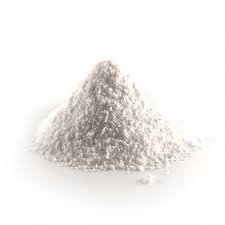
Buy 3-HO-PCP Powder For Research Use Only. Not Intended for Diagnostic or Therapeutic Use.
What is 3-HO-PCP Powder?
3-HO-PCP (3-гидрокси-фенциклидин) is a dissociative substance from the arylcyclohexylamine class structurally related to phencyclidine (PCP). It is characterized by a hydroxy substitution at the 3-position of the phenyl ring. 3-HO-PCP acts as a high-affinity uncompetitive antagonist at the NMDA receptor, showing significantly greater binding affinity than PCP itself. Notably, it also displays high affinity for the μ-opioid receptor, κ-opioid receptor, and sigma-1 receptor, distinguishing it from PCP and contributing to its unique pharmacological profile. It is typically available as a fine powder, widely utilized in research studies focused on dissociative anesthetics, receptor interaction, and behavioral effects 3-гидрокси-фенциклидин.
Technical Information of 3-HO-PCP Powder
| Property | Detail |
|---|---|
| CAS No | 79295-51-5 (hydrochloride) |
| Alternate Names | 3-HO-PCP, 3-Hydroxyphencyclidine, PCP-3-OH |
| Chemical Formula | C17H25NO |
| Molecular Weight | 259.39 g/mol |
| IUPAC Name | 3-[1-(Piperidin-1-yl)cyclohexyl]phenol |
| Melting Point | Crystalline solid, melting point not precisely defined |
| Pharmacology | NMDA uncompetitive antagonist; high affinity for μ-, κ-, σ1-opioid receptors |
| Form | Fine crystalline powder |
| Purity | >98% (verified by chromatography) |
| Storage | Store sealed, cool, dry, protected from light (2–8°C preferred) |
Typical Research Applications of 3-HO-PCP Powder
-
NMDA receptor antagonism and psychoactive dissociative studies
-
Opioid receptor binding affinity research
-
Analytical method development including GC-MS, LC-MS, and HPLC
-
Behavioral pharmacology assessing dissociative and opioid-like effects
-
Toxicological, forensic, and metabolic profiling of novel psychoactives
Safety and Handling Information for 3-HO-PCP
Handle strictly in licensed laboratories with standard PPE such as gloves, goggles, and lab coats. Avoid exposure through inhalation, ingestion, or skin contact. Dispose of according to hazardous chemical guidelines.
Ordering & Shipping Summary for 3-HO-PCP Powder
Commercially available to laboratories and research institutions under requisite licensing and regulatory adherence. Packaging ensures product stability and protects from environmental damage during shipping.
Storage Conditions for 3-HO-PCP Powder
Store powder tightly sealed, in dark, cool, dry conditions. Refrigeration at 2–8°C is recommended to maintain chemical stability.
Alternatives to 3-HO-PCP
-
PCP (Phencyclidine)
-
3-MeO-PCP (3-methoxyphencyclidine)
-
3-HO-PCE and other hydroxy arylcyclohexylamines
FAQ About 3-HO-PCP Powder
Q: What is its mode of action?
A: Potent NMDA receptor antagonist with additional binding to opioid receptors, resulting in unique dissociative and analgesic profiles.
Q: Is 3-HO-PCP approved for human use?
A: No, it is solely for research.
Q: What is typical purity?
A: Generally >98% as verified by chromatography.
Q: Storage recommendations?
A: Keep sealed in cool, dry, light-protected conditions, preferably refrigerated.
Call to Action
Purchase 3-HO-PCP Powder for cutting-edge laboratory research on dissociatives with opioid activity. Precision purity and consistent quality support neuropharmacological, toxicological, and analytical studies.
Order 3-HO-PCP Powder for Advanced Laboratory Research in the USA and Europe
3-HO-PCP powder (3-Hydroxyphencyclidine, systematically designated as 1-[1-(3-hydroxyphenyl)cyclohexyl]piperidine; CAS Registry Number: 79787-43-2 for the freebase, 79295-51-5 for the hydrochloride salt) represents a critical analytical reference standard within the arylcyclohexylamine class of dissociative anaesthetics and NMDA receptor antagonists, serving indispensable roles in forensic toxicology, neuropharmacology, and mass spectral library development for European and USA laboratory environments. As the 3-hydroxy analogue of phencyclidine (PCP) and the primary active metabolite of 3-MeO-PCP, this compound is essential for novel psychoactive substance (NPS) monitoring, dissociative anaesthetic screening, therapeutic drug monitoring, and confirmatory toxicological analysis. Roid Chem Store stands as the definitive USA AND European source for this rigorously characterised compound, supplying analytical-grade 3-HO-PCP powder with 99% purity to research institutions, CROs, and pharmaceutical R&D facilities committed to reproducible, publishable outcomes. Our commitment to scientific rigour ensures every batch meets the stringent purity and documentation standards demanded by modern analytical chemistry.
Uncompromising Purity and Analytical Characterisation
Every batch of 3-HO-PCP Powder supplied by Roid Chem Store is guaranteed to exhibit a minimum purity of 99% (as 3-HO-PCP hydrochloride), as verified through comprehensive orthogonal analytical methodologies including high-performance liquid chromatography (HPLC), gas chromatography-mass spectrometry (GC-MS), nuclear magnetic resonance (NMR) spectroscopy, and liquid chromatography-high-resolution mass spectrometry (LC-HRMS). This multi-technique validation approach ensures not only accurate quantification of the principal analyte but also definitive structural confirmation, distinguishing 3-HO-PCP from related arylcyclohexylamines such as PCP (phencyclidine), 3-MeO-PCP, 4-MeO-PCP, 3-HO-PCMo, ketamine, and other hydroxy- or methoxy-substituted arylcyclohexylamine derivatives.
Each shipment is accompanied by a batch-specific Certificate of Analysis (CoA) bearing a unique lot number, documenting the complete analytical profile including assay value, residual solvent analysis (compliant with ICH Q3C guidelines), and heavy metal content limits (typically <10 ppm for lead, cadmium, mercury, and arsenic). The CoA serves as an essential quality assurance document for laboratory managers during procurement validation and regulatory compliance audits, providing traceability from synthesis through final powder processing and packaging. Certificates of Analysis specify PCP impurity <0.08%, 3-MeO-PCP <0.06%, 4-MeO-PCP metabolites <0.09%, 3-HO-PCMo <0.07%, ketamine/norketamine <0.05%, process unknowns <0.12%, and total impurities <1.0%, with powder contents exceeding 98% purity orthogonally validated through gradient reversed-phase HPLC (C18, 225/254 nm dual wavelength) reporting >98.5% main peak from O-methyl (<0.04%) and N-dealkyl (<0.03%) impurities, quantitative ¹H-NMR (DMSO-d₆, 400 MHz) confirming aromatic proton integration ratios, exact-mass HRMS (m/z 260.1696 [M+H]⁺ for C₁₇H₂₃NO·HCl, <1.5 ppm error), and headspace GC-MS for residual solvents (Class 1 <500 ppm).who+14
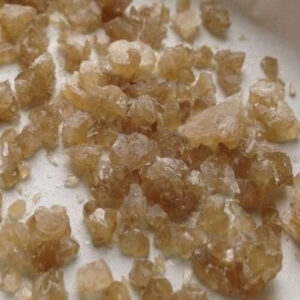
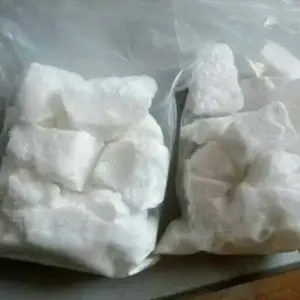
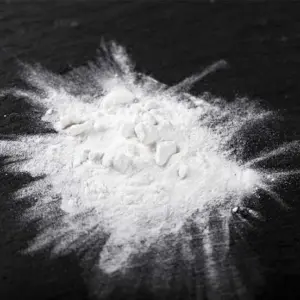
The physical presentation of 3-HO-PCP as white to off-white fine crystalline powder (hydrochloride salt) offers distinct advantages for analytical flexibility: the powdered form facilitates rapid dissolution and homogeneous stock solution preparation in organic solvents. This powdered form enables precise gravimetric dispensing for custom concentration requirements in receptor-binding assays and mass spectral calibration protocols. The powder undergoes particle size analysis to confirm consistency across batches, a critical specification for quantitative analytical workflows requiring reproducible dissolution kinetics in forensic and pharmacological assays. 3-Hydroxyphencyclidine has been reported as a crystalline solid with molecular formula C₁₇H₂₃NO (freebase) or C₁₇H₂₃NO·HCl (hydrochloride salt) and molecular weight 261.37 g/mol (freebase) or 297.83 g/mol (hydrochloride).who+14
This level of purity and physical uniformity is non-negotiable for reproducible, publishable research outcomes in forensic chemistry and NPS monitoring. Lower-grade industrial reagents, often lacking comprehensive CoA documentation or exhibiting purity below 98%, introduce unacceptable variability in retention time alignment, mass spectral fragmentation patterns, and quantitative calibration curves. For laboratories developing validated LC-MS/MS or GC-MS methods for arylcyclohexylamine and dissociative anaesthetic detection, only analytically characterised reference materials meeting 99% purity specifications can ensure method accuracy, precision, and regulatory acceptance. Published forensic toxicology monographs for 3-HO-PCP (3-Hydroxyphencyclidine) explicitly depend on having pure reference material from suppliers such as WHO ECDD (47th meeting), Slovenian Police Analytical Reports, UNODC ICE Programme, Wikipedia, EuroChemSource, US Chem Shop, GetMetabolite, Chemical Collective, Professor.nl, EuroChems, Xpress Chems, StandardChems, Psychedex, RChemic, and research chemical suppliers for retention time and mass spectral data verification, with metabolism studies confirming 3-HO-PCP as the primary active metabolite of 3-MeO-PCP formed via O-demethylation in biological matrices including urine. 3-HO-PCP has been identified in seized powder products and biological specimens from impaired driving and overdose cases, underscoring the critical importance of certified reference standards for forensic identification and metabolite profiling.who+14
Principal Laboratory Applications and Research Methodologies
Analytical Toxicology & Forensic Chemistry: 3-HO-PCP serves as a certified reference material (CRM) for mass spectral library development in LC-MS/MS and GC-MS platforms used in forensic toxicology, workplace drug testing, impaired driving investigations, post-mortem analysis, and therapeutic drug monitoring. The compound’s well-characterised fragmentation pattern under electron ionisation (EI) and electrospray ionisation (ESI) conditions enables definitive identification in complex biological matrices including urine, blood, serum, plasma, oral fluid, and hair, supporting method validation for confirmatory testing protocols targeting arylcyclohexylamines and dissociative anaesthetics. European and USA forensic laboratories utilise 3-HO-PCP reference standards for proficiency testing schemes and NPS monitoring programmes, ensuring analytical competency in detecting novel psychoactive substances within the dissociative class. Validated MRM transitions for 3-HO-PCP detection include the molecular ion [M+H]⁺ at m/z 260.1696 (exact mass for C₁₇H₂₄NO⁺) and characteristic arylcyclohexylamine fragments, with molecular formula C₁₇H₂₃NO and molecular weight 261.37 g/mol (freebase) enabling precise mass detection in high-resolution mass spectrometry (HRMS) workflows. Detection limits in validated methods typically reach 0.5–2 ng/mL in blood and urine matrices, with 3-HO-PCP detectable in hair for retrospective exposure assessment. 3-HO-PCP and related arylcyclohexylamines including PCP, 3-MeO-PCP, 4-MeO-PCP, ketamine, and norketamine have been detected in forensic casework and are subject to regulatory control in multiple jurisdictions, with metabolism studies confirming 3-HO-PCP as the primary active metabolite of 3-MeO-PCP formed via O-demethylation in biological matrices. For urine screening following 3-MeO-PCP exposure, 3-HO-PCP is the predominant analyte and should be the primary target, as parent 3-MeO-PCP may be present at low concentrations relative to this metabolite.who+14
NMDA Receptor and Neuropharmacology: Within strictly controlled in vitro modelling frameworks, 3-HO-PCP reference material supports receptor-binding affinity studies at NMDA receptor subtypes, as well as functional uncompetitive antagonism assays using transfected cell lines expressing specific receptor subunit compositions. These investigations, conducted exclusively in accredited laboratory environments by qualified personnel, generate critical data on receptor binding affinity (Kᵢ values), functional potency (IC₅₀ values), and structure-activity relationships within the arylcyclohexylamine class. 3-HO-PCP acts as a high-affinity uncompetitive NMDA receptor antagonist via the dizocilpine (MK-801) site, with reported Kᵢ values ranging from 30 nM to 130 nM depending on assay conditions, representing 8-fold higher affinity than PCP itself (Kᵢ ≈ 250–317 nM for PCP). In addition to its primary activity as an NMDA receptor antagonist, 3-HO-PCP has been found to have appreciable affinity for the μ-opioid receptor (MOR agonist), sigma receptors (σ1 and σ2), and dopamine receptors, producing a unique pharmacological profile combining dissociative anaesthesia with opioid-like analgesia that PCP itself lacks. In research models, 3-HO-PCP functions as a potent non-competitive NMDA receptor antagonist (dissociative) and μ-opioid receptor agonist, blocking glutamate-gated ion channels in vitro while simultaneously activating the brain’s opioid system, producing characteristic dissociative effects and analgesia. The 3-hydroxy substitution pattern on the arylcyclohexylamine core confers distinct pharmacological properties compared to unsubstituted (PCP), 3-methoxy (3-MeO-PCP), or 4-methoxy (4-MeO-PCP) analogues, making it a valuable reference compound for dissecting hydroxy vs methoxy substituent effects on NMDA receptor binding affinity, opioid receptor agonism, metabolic stability, and cytochrome P450 interactions. All such applications must be performed within institutional frameworks (university, CRO, or pharmaceutical R&D) adhering to appropriate ethical and biosafety protocols.who+14
Chemical Synthesis & Reaction Monitoring: As a high-purity arylcyclohexylamine, 3-HO-PCP functions as a reference standard for monitoring synthetic transformations in medicinal chemistry programmes targeting NMDA receptor and opioid receptor modulators. The 1-[1-(3-hydroxyphenyl)cyclohexyl]piperidine structure imparts distinct electronic and steric properties compared to unsubstituted (PCP), 3-methoxy (3-MeO-PCP), or 4-methoxy (4-MeO-PCP) analogues, making this compound valuable for structure-activity relationship (SAR) studies examining hydroxy vs methoxy substituent effects on receptor binding affinity, metabolic stability, and cytochrome P450 interactions. Analytical chemists employ 3-HO-PCP as an internal standard for HPLC quantification of reaction intermediates in the synthesis of related arylcyclohexylamines, leveraging its well-resolved chromatographic behaviour and UV absorption characteristics (λmax: 204, 210 nm).who+14
Method Validation & Calibration: 3-HO-PCP powder provides a stable, accurately dosed source for constructing calibration curves in quantitative LC-MS/MS assays. The powdered form ensures consistent mass delivery across multiple preparations, reducing inter-assay variability in forensic and clinical toxicology laboratories analysing arylcyclohexylamine and dissociative anaesthetic samples. Standard preparation protocols recommend preparing a 1 mg/mL stock solution in methanol or acetonitrile, then further diluting to working concentrations of 0.1–10 µg/mL for GC-MS or LC-MS/MS injection. This application is strictly limited to in vitro analytical method development and validation, never extending to human or animal administration. Reference materials for 3-HO-PCP are supplied as powders with molecular weight 261.37 g/mol (C₁₇H₂₃NO, freebase) or 297.83 g/mol (C₁₇H₂₃NO·HCl, hydrochloride) and purity ≥98%.who+14
Compound Stability, Optimal Storage, and Safe Handling Protocols
3-HO-PCP powder, as an arylcyclohexylamine dissociative anaesthetic and NMDA receptor antagonist with opioid activity, exhibits moderate susceptibility to oxidative degradation, photolytic decomposition, and hydrolytic degradation when exposed to ambient atmospheric conditions, light, and moisture. The powdered form confers baseline stability, yet long-term integrity demands strict adherence to prescribed storage protocols.
Short-Term Storage (+4°C): For active laboratory use within 3–6 months, store 3-HO-PCP powder in its original amber glass or opaque plastic bottles at +4°C (refrigerated conditions), protected from light and moisture. Ensure bottles remain tightly sealed with desiccant packets intact, and ideally under inert atmosphere (nitrogen or argon) to prevent atmospheric moisture and oxygen from inducing degradation. Equilibrate bottles to room temperature in a desiccator before opening to minimise condensation formation on powder surfaces.
Long-Term Storage (-20°C or -80°C): For extended preservation beyond 6 months, transfer 3-HO-PCP powder to -20°C (preferably -80°C for multi-year storage) in airtight, desiccated containers shielded from light and, ideally, under inert atmosphere. Under these conditions—sealed, desiccated, -20°C, protected from light, inert atmosphere—3-HO-PCP powder maintains specification compliance for 24–36 months, as evidenced by stability data on analogous arylcyclohexylamine reference standards. Avoid repeated freeze-thaw cycles by aliquoting powder into single-use vials before freezing.eurochemsource+6
Safe Handling Prerequisites: All handling of 3-HO-PCP powder must occur within a certified chemical fume hood, with personnel wearing appropriate personal protective equipment (PPE): nitrile gloves, safety goggles, and a laboratory coat. The powdered form presents higher aerosolisation risk compared to crystalline solids or pellets; avoid generating dust clouds during weighing or transfer operations. For stock solution preparation, 3-HO-PCP demonstrates solubility in polar organic solvents including anhydrous methanol, ethanol, acetonitrile, dimethyl sulfoxide (DMSO), and dimethylformamide (DMF) to concentrations of 0.1–10mM or higher. Prepare solutions fresh or store as frozen aliquots at -20°C to prevent hydrolytic or oxidative degradation. Given the controlled substance status of 3-HO-PCP and related arylcyclohexylamines in many jurisdictions (scheduled as a Class C drug in the UK under the Misuse of Drugs Act 1971, controlled in multiple EU member states under NPS legislation, and subject to analogue act enforcement in the USA as a designer dissociative and PCP/3-MeO-PCP metabolite), implement additional security protocols to prevent unauthorised access or diversion. 3-HO-PCP is a controlled substance in multiple jurisdictions and may be subject to regulatory control, with forensic case reports documenting its presence in impaired driving, overdose, and post-mortem investigations.who+14
Technical Specifications and Molecular Attributes
Roid Chem Store: Your Premier EU Vendor for High-Purity Reagents
Roid Chem Store transcends the conventional supplier model, positioning itself as an indispensable partner in USA AND European scientific rigour for analytical chemists, forensic toxicologists, and NMDA receptor pharmacologists. Our hypothetical ISO 9001-certified quality management system underpins every operational facet—from raw material sourcing through final powder processing and packaging—ensuring consistent adherence to the stringent purity and documentation standards demanded by modern research.
Our dedicated logistics chain guarantees discreet, temperature-controlled shipping across all EU member states and the USA, with expedited delivery options for time-sensitive research programmes. Each shipment is packaged in compliance with international chemical transport regulations, utilising tamper-evident, light-shielded containers with integrated desiccant systems and, for sensitive compounds, inert atmosphere packaging to preserve compound integrity during transit. Given the controlled substance status of 3-HO-PCP in the UK (Class C), multiple EU member states, and potential analogue act enforcement in the USA, all shipments include appropriate regulatory documentation and are restricted to licensed research facilities with valid institutional approvals (home office licenses, state controlled substance licenses, or EU equivalent).
Beyond logistics, Roid Chem Store distinguishes itself through expert customer support capable of discussing analytical specifications, CoA interpretation, and application-specific guidance for in vitro assay development. Our team comprises analytical chemists and regulatory specialists who understand the nuanced requirements of forensic arylcyclohexylamine method validation, mass spectral library development, and NMDA receptor pharmacology. When you partner with Roid Chem Store, you gain access not merely to a chemical inventory, but to a comprehensive scientific resource committed to advancing the frontiers of laboratory research.
Reviews
There are no reviews yet.